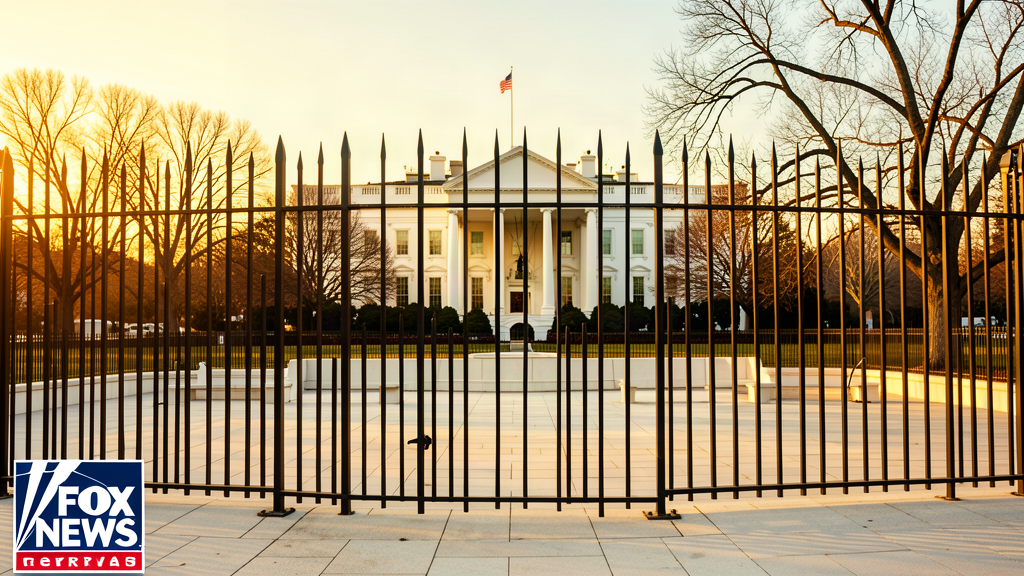
WASHINGTON — President Donald Trump has backed a plan to permanently fence Lafayette Square, the public park across from the White House where, for more than two centuries, Americans have gone to see the building and to stand in front of it. The reason, per the administration, is security, which is the reason for every fence that has ever been built, and the reason, per the White House, is also the reason the fence is going to stay.
The plan was reviewed, at its July meeting, by the Commission of Fine Arts, which is the federal panel that looks at things the government wants to build in or near the capital, and the panel heard a presentation on the fencing and, in the words of the commission’s record, “took no action,” which is the way a body of people says it looked at the fence, and the panel, it should be noted, is made up of, per the appointment records, people the President chose.
The part of the story that belongs in the first paragraph is the word permanently. The square is, in the specific, public. It is the park where the tourists go to photograph the West Wing, where the flags are, and where, on the days the country is angry, the people are. To fence a public park is to make a decision about who is in it and who is out of it, and the decision, per the administration, was made on the side of the side that has the building.
The administration’s position, as stated, is that the fence will “balance” public access and security, which is the phrase the government uses when it means the access is going to be the part that gets balanced. The square will, per the plans, still have entrances. The entrances will, per the plans, be controlled. The difference between a park with entrances and a park with controlled entrances is the difference between a place and a checkpoint, and the fence is, in the specific, the thing that does the converting.
The phrase “took no action” is worth a moment, because it is the phrase that does the work of the whole process. A panel that reviews a fence and takes no action has, in the specific, not said the fence is good, and it has, in the specific, not said the fence is bad. It has said that it is, in the specific, a fence, and that the question of whether it should be a fence is, in the specific, now a question for the people who want it to be a fence, which is to say the people who have, in the specific, already decided it is.
THE FENCE, AT A GLANCE
- What: permanent fencing of Lafayette Square
- Why, per the administration: security
- Reviewed by: the Commission of Fine Arts
- Panel action: "took no action"
- Panel composition: presidential appointees
- Result: the fence, per the fence, is going to be a fence
The square has a history of being the place where the country comes to look at the building it is supposed to belong to, and the fence is, in the specific, a way of deciding that the looking is going to be done from a distance that has been, in the specific, measured. The tourists will still be able to see the White House. The tourists will, per the plans, be able to see it from the other side of the fence, which is, in the specific, the same side of the building, and a different side of the country.
At press time, a White House spokesperson said the plan was “about protecting the people who work in the building,” and declined to say whether the people who live in the country were, in the specific, included in the people, which is the question, in the specific, that the fence is, in the specific, going to answer.